Security measures to protect your funds in casinos
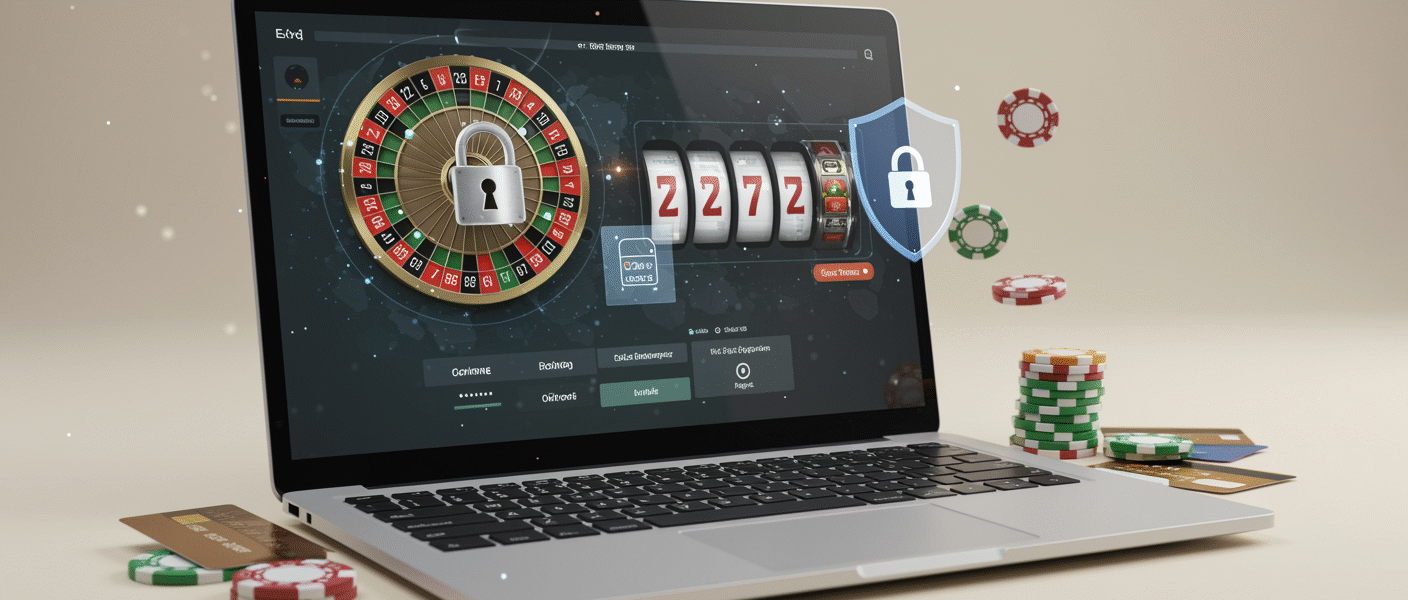
Gambling at South African casinos offers exciting entertainment, but it comes with inherent risks if proper security measures aren’t in place. Players face potential threats ranging from data breaches and identity theft to fraudulent transactions and unauthorized account access. Without adequate protection, your personal information and hard-earned funds could be vulnerable to cybercriminals who specifically target online gambling platforms.
South Africa’s regulated gambling market has evolved significantly, with the National Gambling Board and provincial licensing authorities implementing strict security standards for licensed operators. These regulatory frameworks ensure that legitimate casinos maintain robust data protection protocols, secure payment systems, and fair gaming practices. However, the responsibility for fund protection extends beyond regulatory compliance—choosing casinos with comprehensive security measures remains crucial for every player’s financial safety.
Understanding SA Casino Regulation & Licensing
South Africa’s gambling regulatory framework operates through a dual-level system, with the National Gambling Board providing national oversight while provincial licensing authorities manage operational compliance. This structure ensures that licensed casinos must meet stringent security requirements, including data protection standards, financial safeguards, and responsible gambling measures. The regulatory framework mandates regular audits, financial reporting, and adherence to anti-money laundering protocols.
Licensed South African casinos must maintain segregated player funds, implement robust cybersecurity measures, and provide transparent dispute resolution processes. The National Gambling Act requires operators to demonstrate financial stability and technical capability before receiving licenses. These regulations create multiple layers of protection for players’ funds and personal information.
Understanding how SA casino regulations compare to international standards helps players recognize the level of protection they can expect. The following comparison highlights key regulatory aspects across different jurisdictions.
Provincial oversight bodies work alongside national authorities to ensure comprehensive coverage of all gambling activities. Each province maintains specific requirements that complement national standards, creating a robust regulatory environment that prioritizes player protection and fund security.
| Aspect | South African Regulation | International Comparison |
|---|---|---|
| Licensing Authority | National Gambling Board + Provincial Bodies | Single National Authority (UK, Malta) |
| Fund Segregation | Mandatory segregated accounts | Required in most jurisdictions |
| Audit Frequency | Annual compliance audits | Quarterly to annual |
| Dispute Resolution | Provincial gaming boards handle disputes | Independent ombudsman services |
| AML Requirements | FICA compliance mandatory | Similar KYC/AML standards globally |
How to Verify a Casino’s License
Verifying a casino’s license involves checking multiple sources to ensure legitimacy and regulatory compliance. Start by locating the licensing information, typically displayed in the website footer or “About Us” section, which should include the license number and issuing authority. Cross-reference this information with the official regulatory body’s database to confirm the license is current and valid.
Red flags to watch for include missing license information, expired licenses, or licenses from unrecognized jurisdictions. Legitimate casinos prominently display their licensing details and provide easy access to regulatory body websites. If licensing information seems unclear or difficult to verify, consider this a warning sign and choose a different operator with transparent credentials.
Key Regulatory Bodies in South Africa
South Africa’s gambling oversight involves multiple regulatory bodies working together to ensure comprehensive player protection and industry integrity. Each body has specific responsibilities and jurisdictional authority within the broader regulatory framework.
- National Gambling Board: Provides national policy direction, coordinates inter-provincial matters, and oversees the National Central Electronic Monitoring System for slot machines and other electronic gaming devices
- Western Cape Gambling and Racing Board: Regulates all gambling activities in the Western Cape province, including casino licensing, compliance monitoring, and dispute resolution
- Gauteng Gambling Board: Oversees gambling operations in Gauteng province, focusing on licensing, regulation enforcement, and responsible gambling initiatives
- KwaZulu-Natal Gaming and Betting Board: Manages gambling regulation in KZN, including casino operations, betting activities, and player protection measures
- Eastern Cape Gambling Board: Regulates gambling within the Eastern Cape, ensuring compliance with provincial and national gaming laws
- Limpopo Gaming Board: Provides regulatory oversight for all gambling activities in Limpopo province, including licensing and ongoing compliance monitoring
Casino Data Security Protocols: Encryption & Firewalls
Modern casino data security relies on multiple layers of protection, with SSL encryption and advanced firewall systems forming the foundation of secure operations. SSL (Secure Socket Layer) and its successor TLS (Transport Layer Security) create encrypted connections between players’ devices and casino servers, ensuring that sensitive information remains protected during transmission. These protocols use complex mathematical algorithms to scramble data, making it virtually impossible for unauthorized parties to intercept and decode personal or financial information.
Server-level security protocols extend beyond basic encryption, incorporating secure hosting environments, regular security updates, and comprehensive access controls. Reputable casinos implement enterprise-grade security measures similar to those used by major financial institutions. These systems undergo regular penetration testing and vulnerability assessments to identify and address potential security weaknesses.
Independent certification bodies play a crucial role in verifying that casinos maintain appropriate security standards. Organizations like eCOGRA, iTech Labs, and Gaming Laboratories International conduct thorough audits of security systems, ensuring that encryption protocols meet industry standards and that data protection measures function effectively under real-world conditions.
SSL/HTTPS: What Players Should Check For
Players can easily verify SSL protection by following specific steps when visiting casino websites. These checks help ensure that your connection remains secure and your data stays protected during gameplay and transactions.
- Look for the padlock icon: Check the browser address bar for a closed padlock symbol, which indicates an active SSL connection and encrypted data transmission
- Verify HTTPS protocol: Ensure the website URL begins with “https://” rather than “http://” – the “s” stands for secure and confirms encryption is active
- Check certificate details: Click on the padlock icon to view certificate information, including the issuing authority and expiration date
- Confirm site identity: Verify that the certificate matches the casino’s domain name exactly, watching for suspicious variations or misspellings
- Watch for browser warnings: Pay attention to any security warnings from your browser, which may indicate certificate problems or potential security risks
Firewalls and Advanced Threat Protection
Casino firewalls act as digital barriers that monitor and control all incoming and outgoing network traffic based on predetermined security rules. These systems analyze data packets in real-time, blocking suspicious activities while allowing legitimate communications to pass through. Modern firewalls use sophisticated pattern recognition to identify potential threats, including distributed denial-of-service attacks, malware, and unauthorized access attempts.
Advanced threat protection systems complement traditional firewalls by employing artificial intelligence and machine learning to detect evolving cyber threats. These systems monitor user behavior patterns, identifying anomalies that might indicate account compromises or fraudulent activities. Intrusion detection systems continuously scan for unusual network activity, automatically implementing protective measures when potential threats are identified.
Safe Payments: Fund Transfer Security & Withdrawal Protection
Payment gateway security represents a critical component of casino fund protection, with multiple layers of security protocols safeguarding financial transactions. Reputable casinos partner with established payment processors that implement tokenization, which replaces sensitive card information with unique digital tokens that cannot be used outside the specific transaction context. This approach ensures that even if transaction data is intercepted, it remains useless to potential fraudsters.
Risk monitoring systems continuously analyze transaction patterns, flagging unusual activities that might indicate fraudulent behavior. These systems consider factors such as transaction amounts, frequency, location, and device information to assess risk levels in real-time. Advanced algorithms can detect subtle patterns that human analysts might miss, providing an additional layer of protection for player funds.
Different payment methods offer varying levels of security and withdrawal speeds, making it essential to understand the specific protections and risks associated with each option. The following comparison helps players make informed decisions about funding their casino accounts.
Modern payment processors also implement 3D Secure authentication for card transactions, requiring additional verification steps that significantly reduce the risk of unauthorized charges. These systems work seamlessly with casino platforms while providing enhanced security that meets international banking standards.
| Payment Method | Security Features | Withdrawal Speed | User Risks |
|---|---|---|---|
| Credit/Debit Cards | 3D Secure, tokenization, fraud monitoring | 1-5 business days | Card details exposure, chargeback limitations |
| Bank Transfers | Banking-grade encryption, account verification | 3-7 business days | Bank account exposure, slower processing |
| E-wallets (PayPal, Skrill) | Two-factor authentication, encrypted storage | 24-48 hours | Account security dependency, service fees |
| Cryptocurrency | Blockchain verification, pseudonymity | 15 minutes – 2 hours | Price volatility, irreversible transactions |
| Prepaid Cards | Limited exposure, spending controls | 1-3 business days | Card loss, balance limitations |
Two-Factor Authentication and Transaction Monitoring
Advanced security tools provide additional layers of protection for casino accounts and financial transactions. These systems work together to create comprehensive security that goes beyond basic password protection.
- Two-Factor Authentication (2FA): Requires a second verification method beyond passwords, typically through SMS codes, authenticator apps, or biometric verification
- Real-time Transaction Monitoring: Automatically analyzes each transaction for suspicious patterns, unusual amounts, or irregular timing
- Device Recognition: Remembers trusted devices and flags logins from new or unusual locations
- Behavioral Analysis: Monitors playing patterns and account activity to detect potential unauthorized access
- Velocity Checking: Limits rapid-fire transactions and identifies potential automated attacks
- Geographic Verification: Cross-references login locations with registered addresses and previous access patterns
Player Identity Verification & KYC: Protecting Against Fraud
Know Your Customer (KYC) procedures form the backbone of fraud prevention in South African casinos, requiring players to verify their identity through document submission and verification processes. These procedures help casinos comply with FICA requirements while protecting both the operator and players from various forms of financial crime. The verification process typically begins during account registration and may require additional documentation for larger transactions or withdrawals.
Secure storage of collected identification documents follows strict data protection protocols, with encrypted databases and limited access controls ensuring that personal information remains protected. Legitimate casinos implement comprehensive data retention policies that balance regulatory compliance requirements with privacy protection, automatically purging unnecessary information according to established schedules.
The KYC process provides significant benefits for fraud protection by establishing clear identity trails and detecting potential money laundering activities. These procedures also help prevent underage gambling and protect vulnerable individuals from exploitation, contributing to a safer gambling environment for all players.
- Initial Registration Verification: Provide basic personal information including full name, date of birth, address, and contact details during account creation
- Document Upload: Submit clear photographs or scans of government-issued ID, proof of address (utility bill or bank statement), and payment method verification
- Document Review Process: Casino security teams verify submitted documents against official databases and anti-fraud systems within 24-72 hours
- Enhanced Verification: Complete additional verification steps for high-value transactions, including video calls or additional documentation as required
- Ongoing Monitoring: Maintain current verification status through periodic updates and respond to any additional verification requests from the casino
- Withdrawal Authorization: Complete final identity confirmation before processing withdrawal requests, ensuring funds are returned to verified account holders only
AML & Enhanced Due Diligence
Anti-Money Laundering (AML) processes in South African casinos involve comprehensive monitoring systems that track financial flows and identify suspicious activities. These systems automatically flag transactions that exceed certain thresholds, involve high-risk countries, or exhibit patterns consistent with money laundering schemes. Casinos must report suspicious activities to the Financial Intelligence Centre, maintaining detailed records of all transactions and customer interactions.
Enhanced Due Diligence procedures apply to high-risk customers, including politically exposed persons, individuals from high-risk jurisdictions, or those engaging in unusual transaction patterns. These enhanced procedures involve additional background checks, source of funds verification, and ongoing monitoring requirements that exceed standard KYC protocols.
How Casinos Detect and Prevent Account Takeovers
Modern casinos employ sophisticated systems to identify and prevent unauthorized account access before it can result in financial losses. These systems operate continuously in the background, analyzing various data points to maintain account security.
- Device Fingerprinting: Creates unique digital profiles for each device used to access accounts, flagging logins from unrecognized devices
- Behavioral Biometrics: Analyzes typing patterns, mouse movements, and interaction habits to identify when different people use the same account
- Login Anomaly Detection: Monitors login times, locations, and frequency to identify unusual access patterns that might indicate compromised accounts
- Session Management: Automatically logs out inactive sessions and requires re-authentication for sensitive actions like withdrawals or setting changes
- IP Address Monitoring: Tracks login locations and flags simultaneous access from geographically impossible locations
Third-Party Certification, Audits & Fair Play Guarantees
Independent certification bodies provide crucial oversight of casino operations, conducting regular audits to ensure compliance with security standards, fair gaming practices, and financial regulations. These organizations employ teams of technical experts who examine casino software, random number generators, payout percentages, and security protocols. Their certifications serve as independent validation that casinos operate fairly and maintain appropriate player protections.
Third-party audits extend beyond basic compliance checks, encompassing comprehensive reviews of data security, fund segregation, and operational procedures. Auditors conduct both scheduled and surprise inspections, testing security systems under real-world conditions to identify potential vulnerabilities. These audits result in detailed reports that casinos must address before maintaining their certifications.
Fair play guarantees backed by independent testing provide players with confidence that games operate according to stated odds and that random number generators function correctly. These certifications require ongoing monitoring and regular re-testing to ensure continued compliance with fairness standards. The certification process includes testing of game algorithms, payout percentages, and random number generation over millions of game rounds.
| Seal/Auditor | Scope | Player Assurance | Frequency |
|---|---|---|---|
| eCOGRA | Fair gaming, player protection, responsible operator conduct | RNG certification, payout verification, dispute mediation | Annual audits, monthly monitoring |
| iTech Labs | Gaming software testing, RNG evaluation | Game fairness certification, technical compliance | Pre-launch and annual testing |
| Gaming Laboratories International | Comprehensive gaming system testing | Hardware and software certification | Initial certification plus updates |
| TST (Technical Systems Testing) | Gaming equipment and software analysis | Regulatory compliance verification | Continuous monitoring programs |
| BMM Testlabs | Gaming technology evaluation | Security and fairness validation | Project-based and ongoing testing |
How to Spot Legitimate Certification on Casino Sites
Identifying genuine certification seals requires careful examination of several key elements that distinguish legitimate certifications from fake or misleading displays. Players should verify certification authenticity to ensure the casino meets established security and fairness standards.
- Check for clickable certification logos: Legitimate seals usually link directly to the certifying organization’s website where you can verify the casino’s current certification status
- Look for specific certificate numbers: Authentic certifications include unique identification numbers that can be cross-referenced on the auditor’s official database
- Verify recent audit dates: Current certifications display recent audit dates, with most requiring annual or bi-annual renewals to maintain validity
- Cross-reference on auditor websites: Visit the certification body’s official website to confirm the casino appears in their client database
- Watch for placement and prominence: Legitimate operators prominently display certifications, typically in website footers or dedicated security pages
Responsible Gambling Controls & Consumer Protection Tools
South African casinos implement comprehensive responsible gambling measures that go beyond regulatory minimums to provide meaningful player protection tools. These systems include sophisticated software that monitors player behavior, automatically detecting patterns that might indicate problem gambling and intervening with appropriate resources and limitations. The integration of these tools into casino platforms ensures that protection measures remain easily accessible without disrupting the gaming experience for recreational players.
Consumer protection extends to financial safeguards, with mandatory fund segregation ensuring that player deposits remain separate from operational funds. This protection means that even if a casino faces financial difficulties, player funds remain secure and available for withdrawal. Regular third-party audits verify compliance with these segregation requirements, providing additional assurance for fund security.
Addiction support resources connect players with professional counseling services and support groups specifically trained in gambling-related issues. These partnerships ensure that players experiencing difficulties can access appropriate help quickly and confidentially, with many casinos providing direct links to organizations like the South African Responsible Gambling Foundation.
- Deposit and Loss Limits: Set daily, weekly, or monthly limits on deposits and losses, with cooling-off periods required before increasing limits
- Session Time Reminders: Automatic pop-up notifications alert players to extended gaming sessions and encourage breaks
- Reality Check Features: Periodic display of time spent playing and money wagered during current sessions
- Self-Assessment Tools: Interactive questionnaires help players evaluate their gambling habits and identify potential concerns
- Professional Support Access: Direct links to certified gambling counselors and support hotlines available 24/7
- Account Activity Reports: Detailed summaries of gambling activity, spending, and time investment sent to players regularly
Mandatory & Voluntary Spending Limits
South African gambling laws require casinos to implement both mandatory and voluntary spending limit systems that give players control over their gambling expenditure. Mandatory limits apply to all new accounts, with default daily deposit limits that players must consciously choose to modify. These limits cannot be increased immediately, typically requiring 24-48 hour cooling-off periods to prevent impulsive decisions during emotional states.
Voluntary limits allow players to set personalized restrictions on deposits, losses, wagering amounts, and session duration. Once set, these limits can only be reduced immediately, while increases require mandatory waiting periods. The system maintains a comprehensive log of all limit changes, helping players track their gambling management decisions over time.
Self-Exclusion and Account Timeouts
Self-exclusion programs provide comprehensive protection for players who need to step away from gambling activities. The process involves multiple verification steps to ensure that exclusion requests are genuine and properly implemented across all casino platforms.
- Submit exclusion request: Complete the self-exclusion form through your casino account, customer support, or directly with the provincial gambling board
- Choose exclusion period: Select timeframes ranging from short-term cooling-off periods (24 hours to 6 months) to permanent self-exclusion options
- Confirm identity verification: Verify your identity through additional security questions and documentation to prevent unauthorized exclusion requests
- Receive confirmation: Get written confirmation of your exclusion period and instructions for the reinstatement process if applicable
Practical Safety Tips for Protecting Your Funds
Implementing personal security practices significantly enhances the protection provided by casino security systems. These practical measures focus on actions players can take independently to safeguard their accounts and financial information while gambling online.
Regular security maintenance of personal devices and accounts creates multiple layers of protection that complement casino security measures. This proactive approach helps prevent many common security breaches that result from compromised personal devices or weak account security practices.
- Verify casino certifications: Always check for current licensing and third-party certifications before creating accounts or making deposits
- Use strong, unique passwords: Create complex passwords specifically for gambling accounts and never reuse them for other services
- Enable two-factor authentication: Activate 2FA on all gambling accounts and the email address associated with these accounts
- Avoid public Wi-Fi: Never access casino accounts or make transactions over unsecured public networks or shared computers
- Monitor account statements: Regularly review bank and casino account statements for unauthorized transactions or unusual activity
- Set spending limits: Use casino limit-setting tools and personal budgeting to control gambling expenditure
- Keep software updated: Maintain current antivirus software and operating system updates on all devices used for online gambling
How to Respond If You Suspect Account Breach
Swift action following a suspected account breach can minimize potential losses and restore account security. The immediate priority involves securing the compromised account while gathering information about the potential breach for investigation purposes. Contact the casino’s security team immediately, as they can implement emergency account freezes and begin investigating suspicious activities.
Document all suspicious activities, including unauthorized logins, unexpected transactions, or changes to account settings. Take screenshots of unusual account activity and save any suspicious emails or communications. Change passwords for the affected casino account and any associated email accounts, enabling two-factor authentication if not already active. Report the incident to relevant authorities, including your bank if financial information may be compromised, and consider placing fraud alerts on your credit reports as an additional precaution.